
Parque Arqueológico do Vale do Côa
- Known for:
- prehistoric rock art, archaeology, dramatic landscapes, history
- Time needed:
- 1 day
- From Lisbon:
- 4.5–5 hours by car
- From Porto:
- 2.5 hours by car
- Must do:
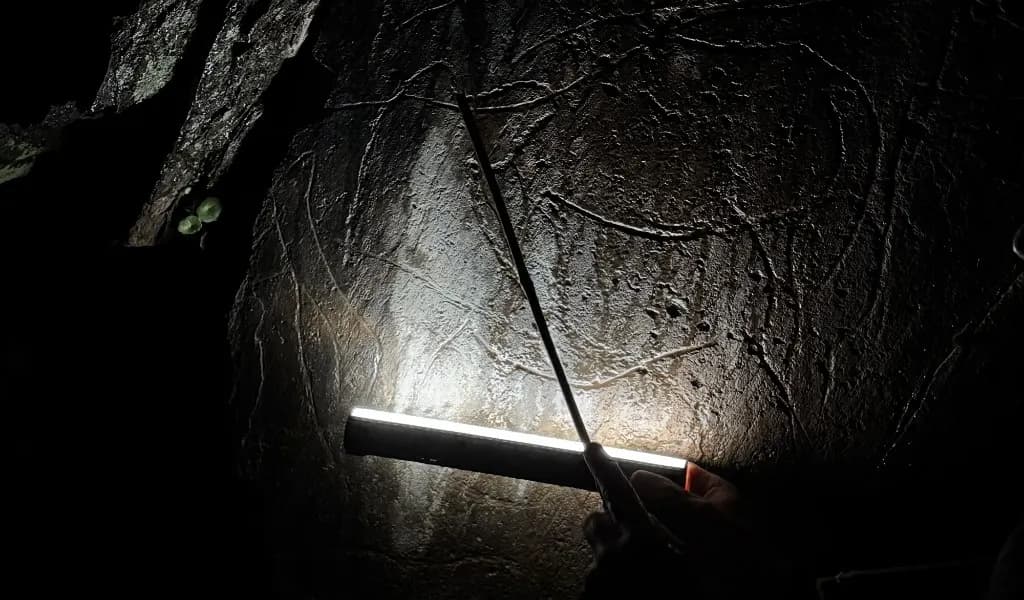
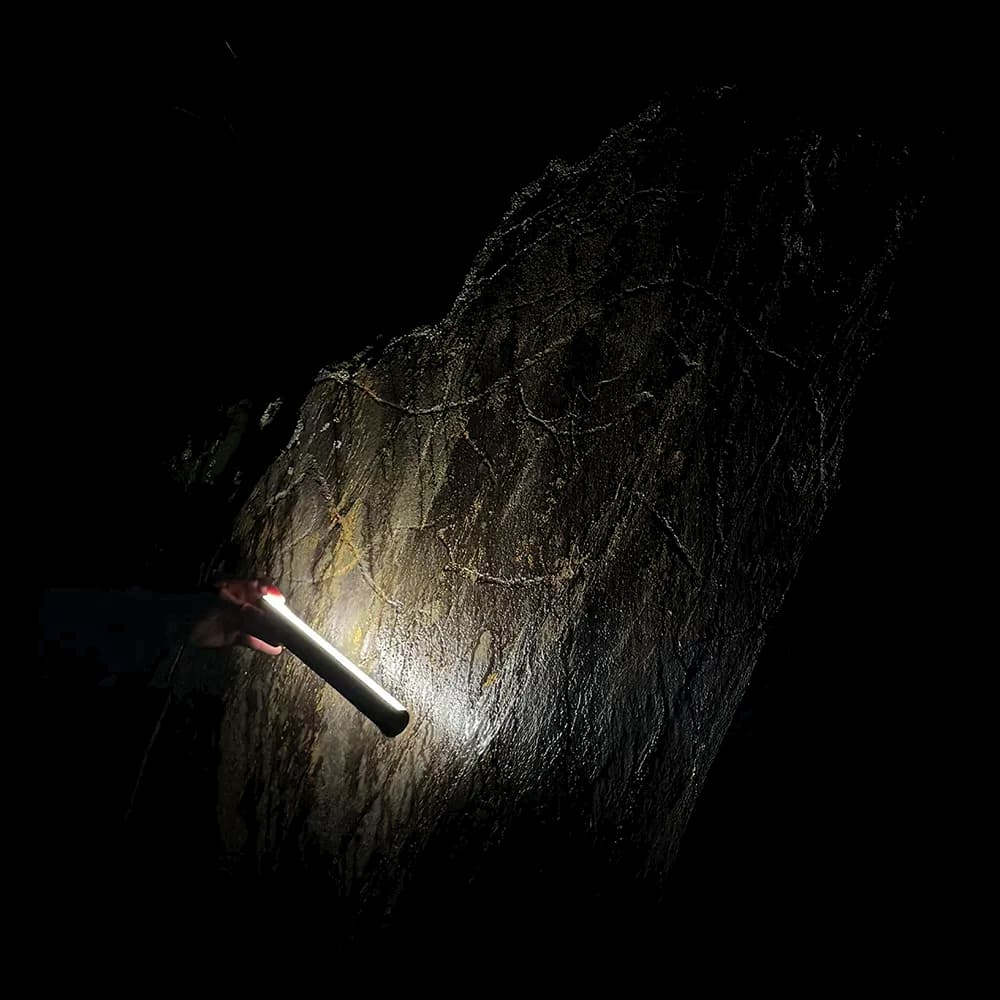
- the Côa Museum, a guided visit to the prehistoric rock engravings, the night visits are particularly spectacular
- Visit nearby:
- Douro Valley
- Not so fun fact(s):
- The Côa Valley contains one of the world's most important collections of open-air Paleolithic art, with thousands of engravings dating back as far as around 25,000–30,000 years. The site was almost submerged by a dam before its archaeological importance was fully recognized.
About
The Côa Valley is home to an extraordinary collection of prehistoric rock engravings spread across the cliffs of the Côa and Douro rivers. Most date from the Upper Paleolithic, with animals such as horses, aurochs and ibex among the most common subjects. Unlike the better-known prehistoric paintings of places such as Altamira and Lascaux, the art here was created outdoors, directly onto the exposed rock faces of the valley. UNESCO describes the Côa Valley and nearby Siega Verde in Spain as the most remarkable ensemble of Paleolithic open-air art on the Iberian Peninsula.
The engravings became widely known in the early 1990s while plans were underway to build a dam that would have submerged much of the valley. Archaeologists and researchers raised the alarm, and after a major public and political debate, the Portuguese government abandoned the dam project in 1996 and created the archaeological park to protect the rock art. The Côa Valley was inscribed as a UNESCO World Heritage Site in 1998.
Things to do
1. See the prehistoric rock engravings
The main reason to come to the Côa Valley is to see the engravings themselves. The park contains more than 80 rock-art sites and around 1,200 engraved rock outcrops across a vast area. The engravings depict animals and other figures created by prehistoric communities thousands of years ago.
The main archaeological sites open to visitors include Canada do Inferno, the first group of engravings to be identified, Ribeira de Piscos, and Penascosa. Visits to the rock-art sites are organized with specialist guides and should be booked in advance.
2. Visit the Côa Museum
The museum provides context for the rock art, explaining how it was discovered, how prehistoric people lived in the region and why the engravings are so significant. The museum also helps tell the modern story of the Côa Valley, including the controversial dam project that ultimately led to the protection of the archaeological landscape.
3. Explore the landscape of the Côa Valley
The Côa cuts through a rugged valley before joining the Douro, surrounded by hills, vineyards, olive trees and rocky cliffs. In spring, the hillsides are dotted with flowering almond trees; in autumn, the surrounding vineyards turn shades of red and gold.
4. Explore Vila Nova de Foz Côa
The small town of Vila Nova de Foz Côa is the natural base for visiting the park. The town sits in the heart of a region known for its vineyards, olive groves and almond trees, and it is a good place to experience the quieter side of inland northern Portugal.
5. Combine it with the Douro Valley
If you're already travelling through the Douro, the Côa Valley is one of the most worthwhile detours you can make.